For Parents and Caregivers
Opening Doors Play Therapy: Play Therapy Interventions and Support
Child-Centered and Neuroaffirming Care
- Book for 1:1 Play Therapy Support
- Filial Therapy
- Neurodevelopmental Strategies
Support and Guidance
The Clarified Curriculum:
Elevate Your Evidenced Based Practice
Neuroscience Informed Resources
- Evidence-based resources
- Therapist Resources
- Continuing Education
Featured Resources
Download Free PDA Cheat sheet
What Is Play Therapy?
It is a creative counselling process where play is the main modality. Play is the natural language of the child and the toys become the child’s words. A play therapist is specifically trained to be able to identify and understand this.
The ability to understand a child’s play is like having a key into their world. This unlocking is achieved by creating a space of empathy, acceptance and non-judgement. It has been found that strong empathic relationships help children feel calmer, allow them to process big feelings and be more connected to themselves.

Meet Sabeeha
Child Play Therapist
B Chiropractic Science | M Chiropractic Science | M Child Play Therapy
My name is Sabeeha. I am a Child Play Therapist and Chiropractor. I have always been fascinated by people and their stories which is what drew me to this line of work. My first profession opening my eyes to see the connection between our bodies, life experiences, what we think and what we feel. It is clear that a nurturing, caring and accepting environment is the ideal catalyst for therapeutic change. This philosophy led me to engage with local community and not for profit organisations, driven by the joy that comes from building relationships with people.
It is a special experience when people allow you to hear their story. It was these rich encounters that have guided me to build the necessary skills to work more therapeutically with families and children and complete my Masters of Child Play Therapy with Deakin University. This has allowed me to find a way of working that truly empowers the individual to feel seen and heard.
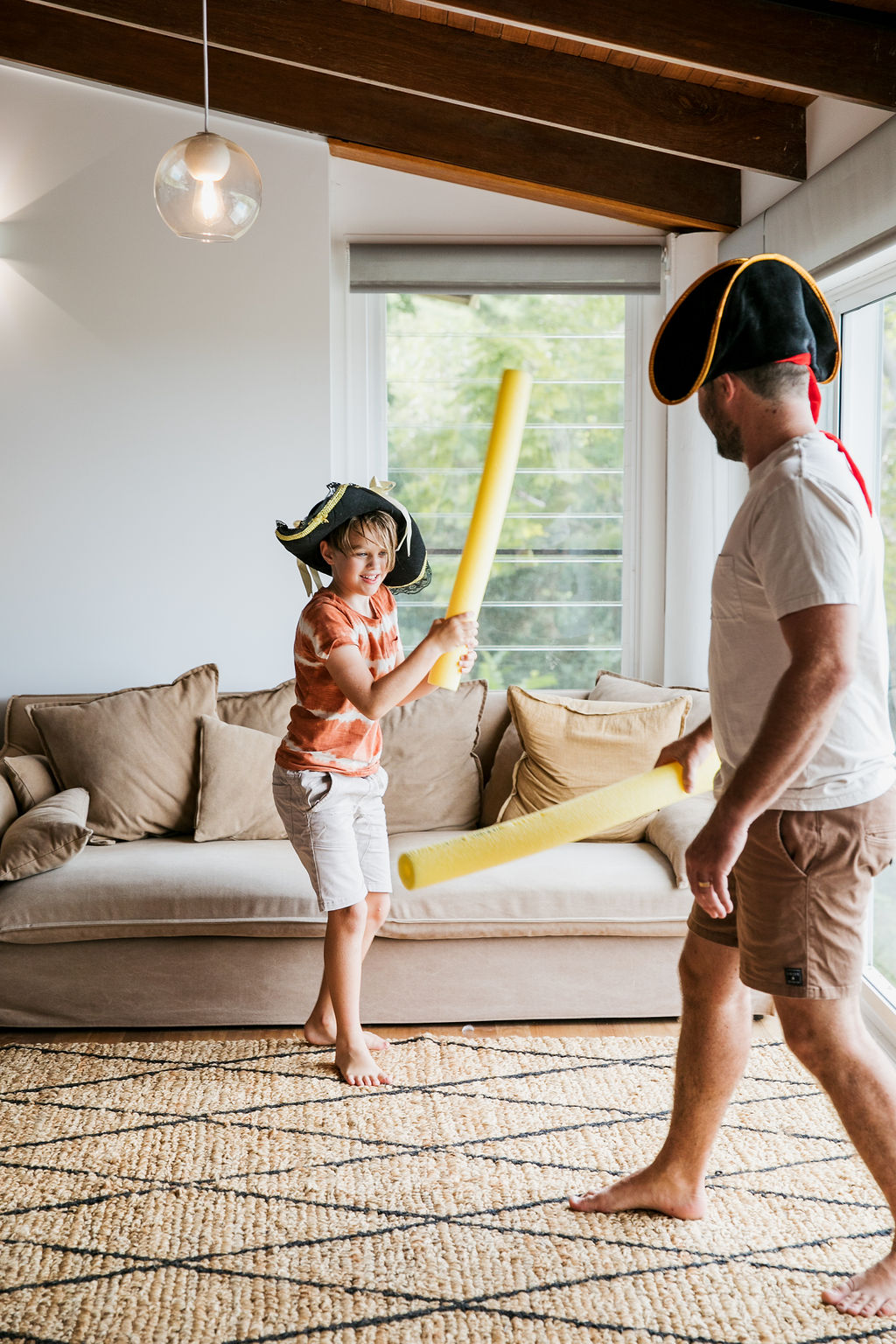
Why Choose Play Therapy?
The part of the brain that helps children form words and communicate is still being developed under 7 years of age. This makes play therapy a developmentally appropriate intervention as the therapist seeks to understand the child in the context of their world.
A key principle in play therapy is where children learn to have a more caring attitude towards themselves and access the skills to listen to what is inside. This allows children to develop a stronger sense of self and trust in their ability to process their feelings. As a result focus is placed on meeting the child where they are because the quality of a child’s play is directly related to their emotional wellbeing.
1:1 Play Therapy Sessions
This is where the child engages in one-to-one play therapy with a therapist. This can be used to target specific developmental and emotional concerns and can range from being a short- or long-term intervention. Care is taken to keep the space reliable and consistent to enhance the child’s sense of safety.
Increased play skills are directly related to increase language, communication, expression and emotional processing.
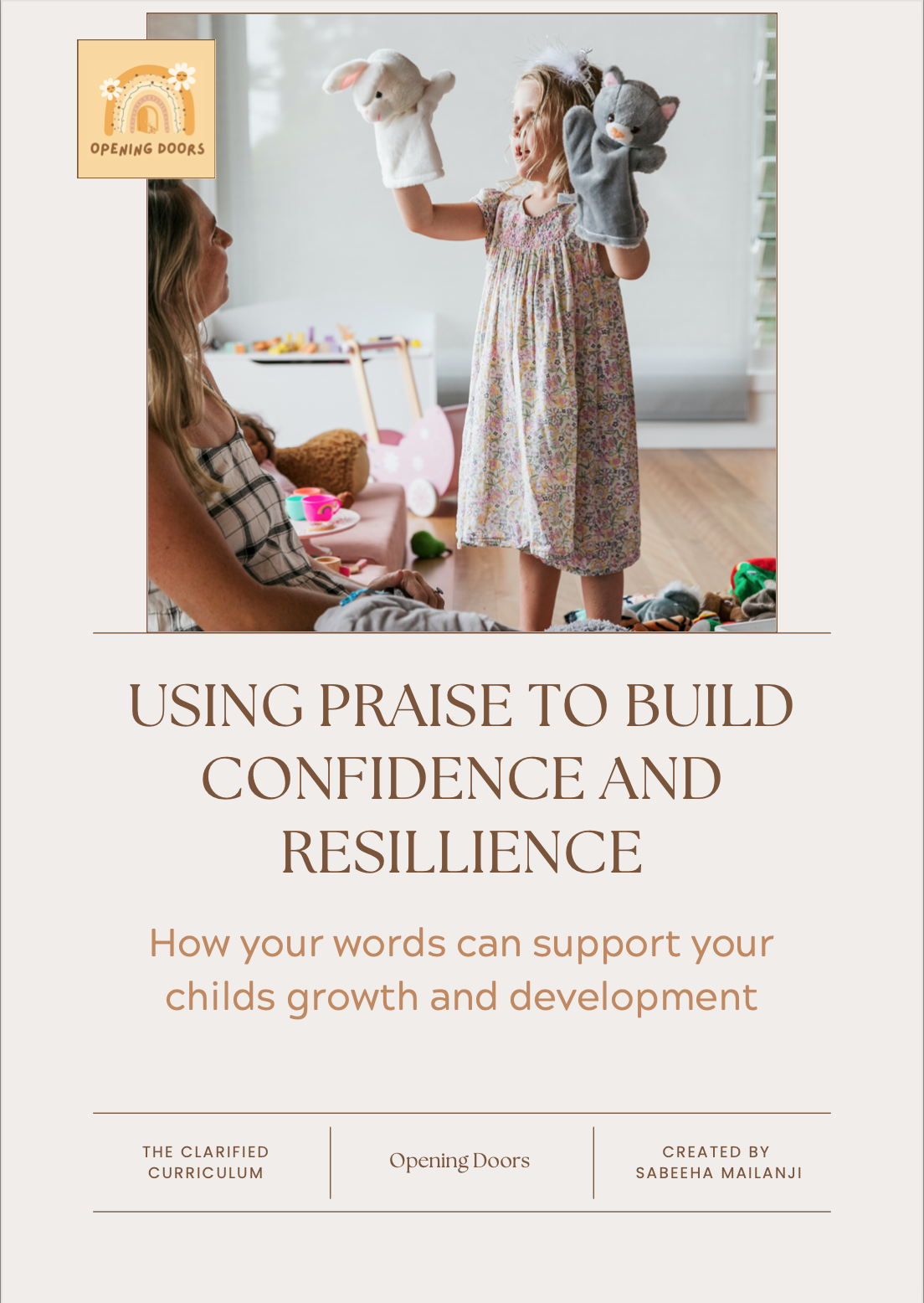
Parent Learn To Play Training
This program was created by Emeritus Professor Karen Stagnitti. This is designed to inform parents on the powers of pretend play and how they relate to different aspects of a child’s development.
This program is focused on using the inherent power of the parent in their child’s growth. This can be run one on one or in a group setting.
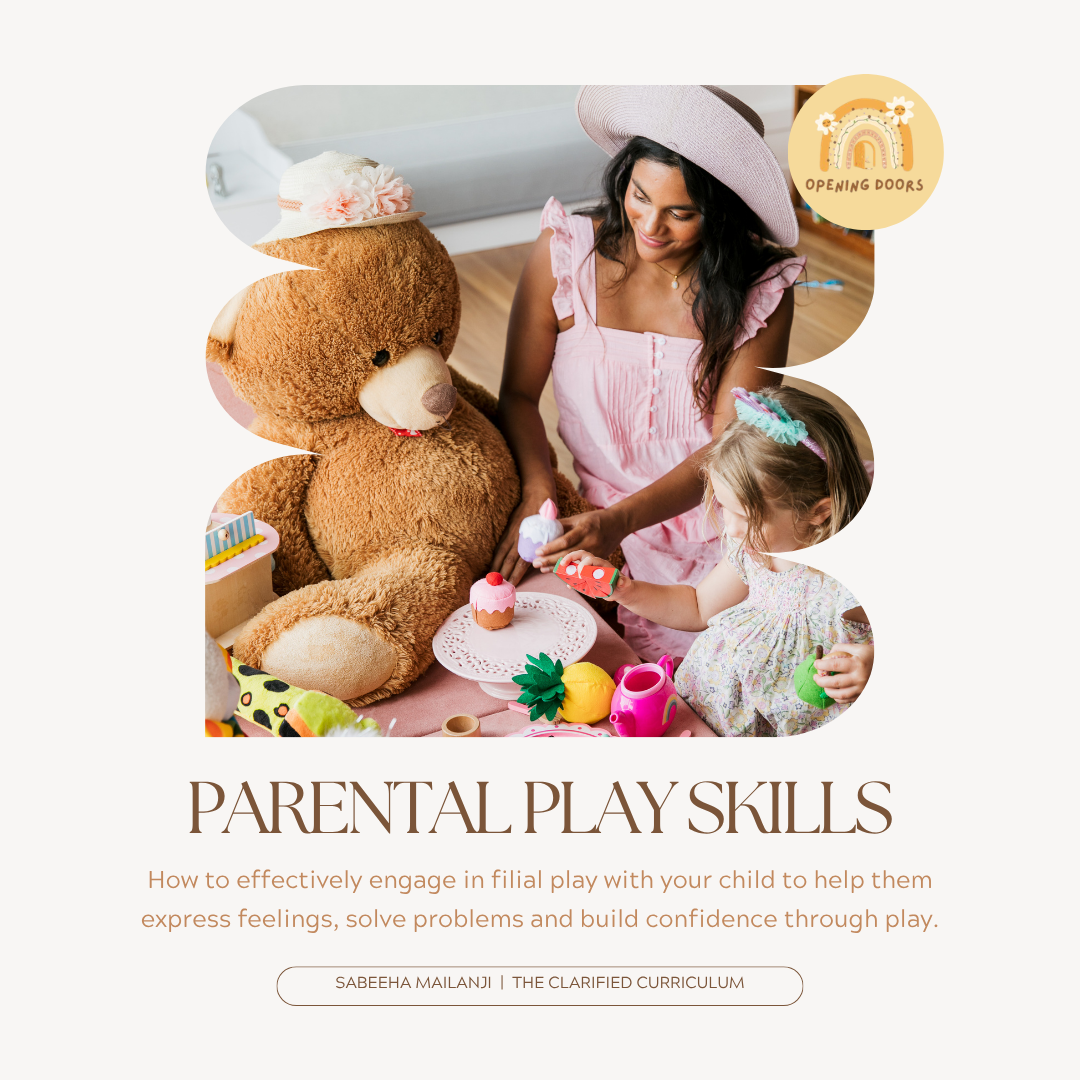
Family Play Therapy (Filial)
This is where play therapy is used to target the family as a whole. This process empowers parents to deepen their relationship with their child using specific therapeutic skills.
The parent is identified as a core agent of change in their child’s life. It provides parents with focused time with the therapist as well as time together as a family.
Approaches To Play Therapy
One of the unique things about play therapy is that it can be adapted to the child in the present moment. Each child is unique, so different approaches can be used at different times to suit their needs.
The two most common ways of being by the therapist in the play space are directive and non-directive.
Directive Play Therapy
A directive approach means the therapist may take on a more active role in guiding the therapeutic process. This can include planning specific activities and processes for the child. A variety of toys, art mediums, puppets and costumes can be used.
Non-Directive Play Therapy
A Non-directive approach means the child leads the play. This can mean choosing what toys are used, how they are used and how they are named. This process can be very empowering for the child as they identify their needs and wants.
Play therapy is not stagnant and moves with the flow of the child. This can call for moments of each approach. It is the capacity to recognise this and move with their pace that is of great therapeutic value.
Get in Touch
“Enter into children’s play and you will find the place where their minds, hearts and souls meet”